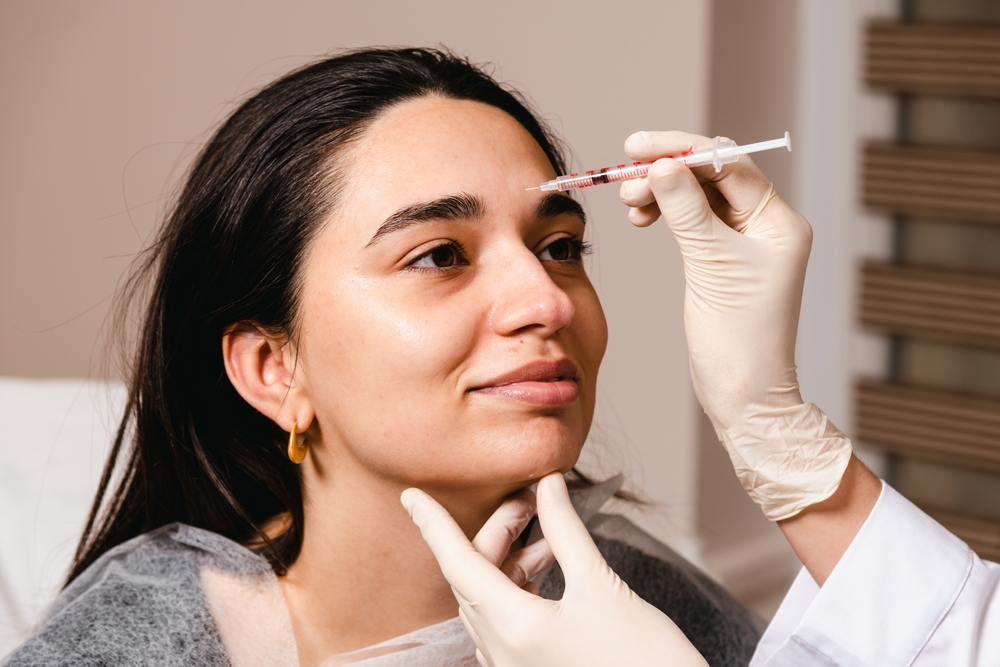
Botox vs. Dermal Fillers: What’s the Difference and Which Do You Need?
Go BackIf you have been researching ways to refresh your appearance without surgery, you have likely encountered two terms repeatedly: Botox and dermal fillers. These injectable treatments are among the most popular non-surgical options available today, yet many patients are unsure how they differ and which one might be right for their specific concerns. Understanding the distinction between these two categories is an important first step before any consultation.
This guide breaks down how each treatment works, what it can address, and how a board-certified provider helps determine the most appropriate approach for your goals. To speak with our team directly, contact us for details.
How Botox Works and What It Can Address
Botox is an FDA-approved neuromodulator derived from a purified protein. When injected in small, precise amounts, it temporarily relaxes the targeted muscle activity that contributes to expression-related lines. The most well-known FDA-approved applications include moderate to severe glabellar lines (the “11s” between the brows), forehead lines, and crow’s feet around the eyes.
What Botox Is Best Suited For
Botox may help reduce the appearance of dynamic wrinkles, which are lines that form as a direct result of repeated facial movement such as squinting, frowning, or raising the brows. These differ from static wrinkles, which are visible even when your face is at rest. Botox is generally not the primary solution for static wrinkles or for restoring lost facial volume.
Results from Botox typically become noticeable within a few days to two weeks after treatment, and most patients find that effects last approximately three to four months, though individual results may vary. Many patients choose to schedule maintenance appointments to sustain their results over time. At Straith Clinic, Botox is offered as part of a comprehensive medical spa service menu that allows providers to pair it with complementary treatments based on each patient’s unique concerns.
What to Expect During Treatment
Botox injections are administered using a very fine needle and are well-tolerated by most patients. Sessions are typically brief, and most patients return to their normal routines shortly after. Mild, temporary redness or swelling at the injection site is possible. Your provider will review your medical history and facial anatomy before recommending a treatment plan.
How Dermal Fillers Work: A Different Mechanism for Different Concerns
While Botox addresses muscle movement, dermal fillers work by adding volume beneath the skin’s surface. Most modern fillers are composed of hyaluronic acid, a substance that occurs naturally in the body and attracts moisture to create a plumping effect. Other filler types use different compounds and are designed for specific areas or levels of correction.
What Dermal Fillers Are Best Suited For
Dermal fillers may help restore volume that has diminished with age, soften static lines and folds, and enhance facial contours such as the lips, cheeks, and jawline. Common treatment areas include the nasolabial folds (lines from the nose to the corners of the mouth), the under-eye area, and the lips. Because fillers add structure and volume rather than relaxing muscles, they address a fundamentally different set of concerns than Botox does.
To explore the range of options available, visit the injectable fillers page for the Detroit and Bloomfield Hills area, which outlines the specific products and techniques used at Straith Clinic. Results from fillers vary by product type and treatment area, and individual results may vary. Some hyaluronic acid fillers can be dissolved if a patient is not satisfied with the outcome, which many patients find reassuring.
Duration and Considerations
Filler longevity depends on the product used, the area treated, and individual factors such as metabolism. Results commonly last from six months to two years or longer in some cases, though individual results may vary. As with any injectable treatment, there are risks to discuss with your provider, including bruising, swelling, and in rare cases, more serious complications. A thorough consultation with a qualified provider is essential before proceeding.
Botox and Fillers Together: How Combination Approaches May Offer Broader Results
In clinical practice, Botox and dermal fillers are frequently used together because they address complementary aspects of facial aging. While Botox may help soften the dynamic lines caused by muscle movement, fillers can simultaneously restore the volume loss and structural changes that occur as the face matures. This kind of layered approach is sometimes referred to as a liquid facelift, though it is important to understand that results are different from those achieved through surgical procedures.
Building a Personalized Injectable Plan
No two patients have identical facial anatomy, skin quality, or aesthetic goals, which is why a thorough consultation is the foundation of any effective treatment plan. Factors such as skin laxity, bone structure, depth of lines, and overall health all influence which treatments may be appropriate. For patients whose concerns extend beyond what injectables alone can address, providers may also discuss complementary options such as IPL facial treatments for skin tone and texture, or chemical peels to support overall skin health.
Patients who are considering more significant facial rejuvenation may also benefit from learning about surgical options available at Straith Clinic, including procedures covered in our facial cosmetic procedures overview. A provider who understands the full spectrum of available treatments, from Botox to surgery, is better positioned to help you make an informed decision about the approach that aligns with your goals and timeline.
Ready to discuss your options? Contact Straith Clinic to schedule your free confidential consultation.
Why Choose Straith Clinic for Botox and Dermal Fillers?
Straith Clinic brings more than 90 years of continuous experience in cosmetic surgery and aesthetic care to every patient interaction. Led by board-certified plastic surgeons Dr. William Sabbagh, MD, FACS, and Dr. Marissa Baca, MD, the practice combines deep surgical expertise with a refined approach to non-surgical treatments. Dr. Sabbagh has been a cornerstone of Straith Clinic since 1995 and holds an FACS designation, reflecting his commitment to the highest standards of surgical practice. Both surgeons are certified by the American Board of Plastic Surgery and hold staff privileges at Corewell Health William Beaumont University Hospital in Royal Oak, MI.
The clinic’s fully AAAHC-accredited on-site surgery center and long-tenured staff, averaging more than 10 years with the practice, reflect a culture of consistency and quality. Free confidential consultations are available to help patients in the Detroit and Bloomfield Hills area explore their options without pressure. Learn more about the team and the practice’s history at the Straith Clinic About page.
Frequently Asked Questions
Can Botox and dermal fillers be administered in the same appointment?
In many cases, yes. Combining Botox and dermal fillers in a single session is a common approach when a patient has both dynamic lines and volume loss to address. Your provider will assess your facial anatomy and goals during a consultation to determine whether a combined treatment is appropriate for you. Individual candidacy varies, and a thorough evaluation is always recommended before proceeding with any injectable treatment.
How do I know if I am a good candidate for Botox?
Good candidates for Botox are generally adults in good overall health who have noticeable expression-related lines they would like to soften. Certain medical conditions and medications may affect candidacy, so a complete health history review is part of every consultation at Straith Clinic. Pregnant or breastfeeding patients are typically advised to postpone elective injectable treatments. A board-certified provider can help you determine whether Botox is appropriate for your situation.
What is the difference between Botox and other neuromodulators like Dysport or Xeomin?
Botox, Dysport, and Xeomin are all FDA-approved neuromodulators that work through a similar mechanism, but they differ in their formulation, unit dosing, and onset characteristics. The right choice depends on the treatment area, the patient’s history with neuromodulators, and provider preference. Your Straith Clinic provider can explain the differences and recommend the most suitable option based on your specific anatomy and treatment goals.
Are there non-injectable alternatives that complement Botox results?
Yes. Several non-injectable treatments may complement Botox by improving overall skin quality and tone. Options such as IPL facial treatments and chemical peels can address concerns like uneven pigmentation and texture that injectables do not target. Your provider can recommend a coordinated treatment plan that incorporates both injectable and skin-care-based options for a more comprehensive result. Individual results may vary.
How far in advance should I schedule Botox before a special event?
Most providers recommend scheduling Botox at least two weeks before a significant event. This allows adequate time for the treatment to take full effect and for any minor swelling or redness to resolve. Because individual response to Botox can vary, patients who are new to the treatment may benefit from scheduling their first appointment even further in advance to allow time for any adjustments if needed.
Schedule Your Free Consultation at Straith Clinic
If you are weighing Botox against dermal fillers, or simply want to understand which treatment best fits your goals, the team at Straith Clinic is ready to help. Serving patients in the Detroit and Bloomfield Hills area, our board-certified surgeons offer free confidential consultations so you can explore your options with confidence. Reach out for details to get started.