

Quick Links

- What Is Rhinoplasty (nose Surgery)?
- Who Is A Good Candidate For Rhinoplasty?
- The Rhinoplasty Procedure
- Revision Rhinoplasty
- Ethnic Rhinoplasty
- Combining Rhinoplasty With Other Facial Procedures
- What Are Some Benefits Of Rhinoplasty?
- What Are The Risks Of Rhinoplasty?
- Will My Rhinoplasty Results Look Natural?
- How Much Does Nose Surgery Cost?
- How Long Is Rhinoplasty Recovery?
- Why Choose Straith Clinic For A Rhinoplasty?
At Straith Clinic, rhinoplasty, commonly known as a nose job, is one of our signature procedures, serving patients near Dearborn and West Bloomfield. Recognized as one of the most complex surgeries in plastic surgery, rhinoplasty requires exceptional precision and expertise. With decades of experience and a deep commitment to this technique, our clinic has built a reputation for delivering natural and aesthetically pleasing results, making rhinoplasty one of our specialties.
What Is Rhinoplasty (Nose Surgery)?
A rhinoplasty is a functional and cosmetic surgery that is designed to address a variety of nasal concerns. Functional rhinoplasty specifically aims to improve nasal function, such as breathing, and may involve procedures like septoplasty or turbinate reduction.
This procedure can reduce the size of the nose, smooth nasal humps and bumps, address a deviated septum, refine the nasal tip, including its relationship to the upper lip, which is important in facial analysis, straighten a crooked nose, and ensure your nose is balanced with the rest of your facial features. A thorough nasal analysis is performed to evaluate both the external nose and internal nose, including structures like the dorsal septum, nasal dorsum, lateral nasal wall, nasal floor, external nasal valves, and internal nasal valve.
Open Rhinoplasty vs Closed Rhinoplasty Surgery
There are two primary approaches to rhinoplasty: open and closed rhinoplasty.
The open rhinoplasty involves making incisions in the skin between the nostrils to help reveal the underlying structures of the nose, including the nasal tissue, nasal bones, and the rest of the nasal anatomy. This approach provides better access to the nasal structures, making it easier to secure grafts and assess the nasal cartilage, and is particularly beneficial in revision surgery where previous procedures have altered the anatomy. The columellar incision in open rhinoplasty allows for better visualization and manipulation of the nasal tip and other structures, which is especially important in complex cases.
A closed rhinoplasty, on the other hand, involves all incisions being made inside the nasal passages, ensuring there is no visible scarring.
Book your Transformation
 Schedule
Who is a Good Candidate For Rhinoplasty?
Good candidates for a rhinoplasty are typically patients who are struggling with the look of their nose and/or struggling with breathing problems or nasal obstructions because of the structure of the nose. Additionally, you need to be in good overall health, have realistic expectations of treatment, be a nonsmoker or willing to quit before and after surgery, and not be pregnant or breastfeeding.
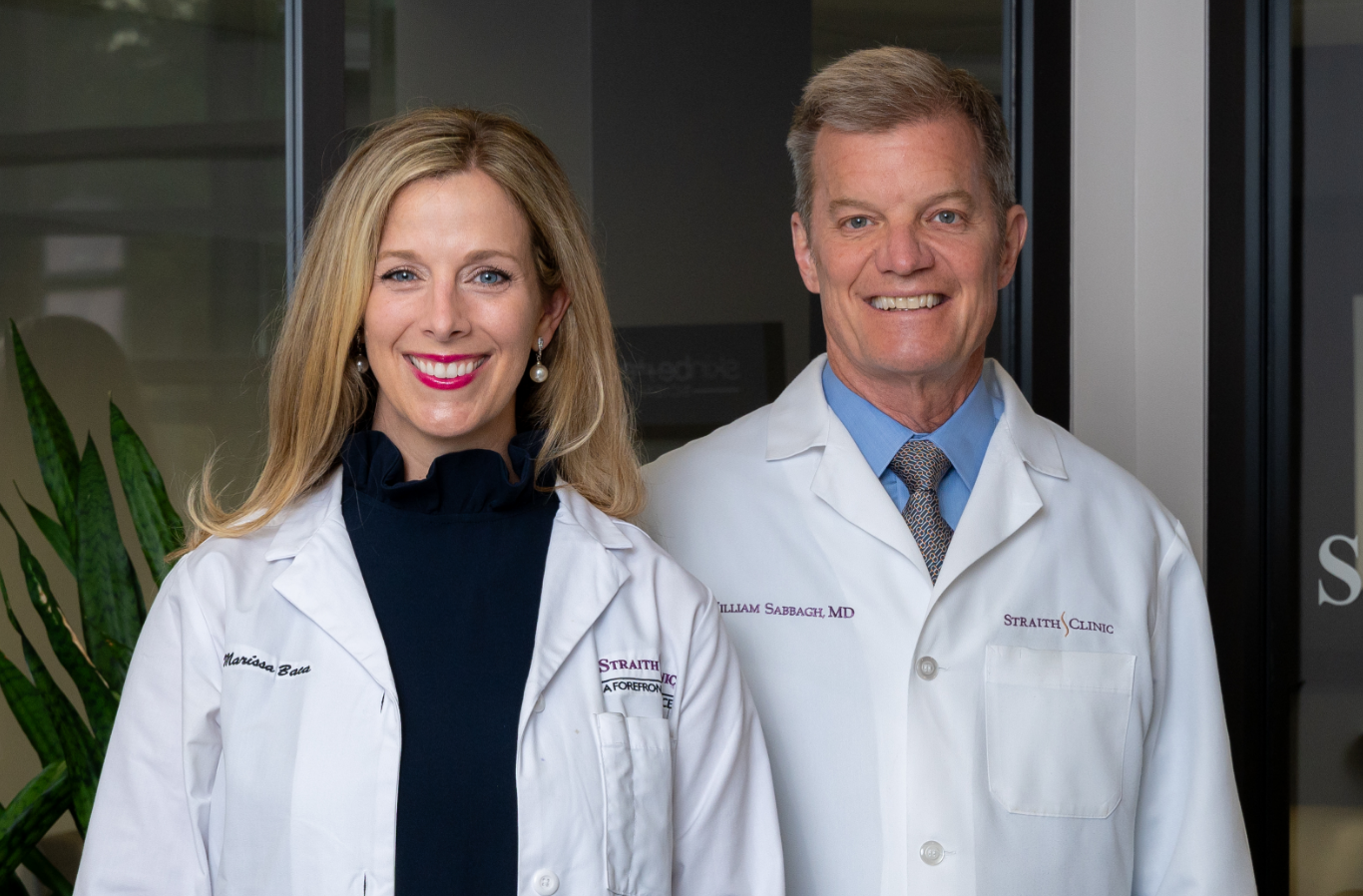
During your consultation, Dr. Sabbagh or Dr. Baca will review your medical history, listen to your concerns, answer any questions you have, and then determine if this is the right procedure for your needs.
The Rhinoplasty Procedure
The plastic surgeon may make incisions on the inside or outside of the nose in inconspicuous areas. The bony and cartilaginous structure of the nose is then reshaped. These maneuvers help to reshape the nose into a more aesthetically pleasing appearance. Additionally, if breathing issues or nasal deviations are present, adjustments to the septum and nasal structures can enhance airflow and function. For patients who have had rhinoplasty elsewhere and are dissatisfied with their results, we also offer revision rhinoplasty to address concerns and help achieve their desired outcome.
expectations
What to expect for your Rhinoplasty surgery

Anesthesia
Local with IV sedation.

Length of Surgery
2 to 3 hours.

In / Outpatient
Outpatient- in our accredited on-site surgery center.
Revision Rhinoplasty
Revision rhinoplasty, also known as a secondary rhinoplasty, is a complex surgical procedure performed to correct functional or cosmetic issues resulting from a previous nose job. It addresses issues like breathing obstructions, asymmetry, or results that you’re unhappy with. The procedure is typically performed 12 months after the primary rhinoplasty. And because it requires specialized expertise to manage scar tissue and altered nasal structures, it requires a surgeon with a high level of expertise. That’s what our team offers at Straith Clinic.
Ethnic Rhinoplasty
Ethnic rhinoplasty is a specialized, patient-centered approach designed to refine nasal features such as wide nostrils, a low bridge, or a drooping tip. The goal is always facial harmony, whether that means preserving distinct ethnic characteristics or creating a more balanced, proportionate appearance based on the individual patient’s preferences.
Rather than applying a “one-size-fits-all” standard, rhinoplasty at Straith Clinic is customized to each patient’s anatomy and aesthetic goals. Some patients wish to maintain strong elements of their ethnic identity, while others prefer a more refined or softened nasal contour.
This type of surgery requires precision, experience, and a deep understanding of nasal structure across diverse anatomies. Straith Clinic has extensive experience treating a wide range of nasal types and work closely with each patient to create results that feel natural, balanced, and true to their vision, while ensuring they still look like themselves.
Combining Rhinoplasty With Other Facial Procedures
Rhinoplasty can easily be combined with other cosmetic procedures, including everything from a facelift and neck lift to eyelid surgery to a brow lift. It can also be done alongside Botox, dermal fillers, and other advanced skincare treatments. During your consultation, our team will build you a custom treatment plan to ensure you achieve the results you’re looking for.
What are Some Benefits of Rhinoplasty?
There are many benefits to rhinoplasty surgery. Not only can this procedure change your nose appearance, but it can also improve asymmetry as well to create the beautiful nose that you desire. There is also no extensive scarring involved with this nasal surgery, so there are virtually no signs of your surgery, and many patients report a boost in self-confidence following their procedure.
What Are the Risks of Rhinoplasty?
No surgical procedure is risk-free, and that includes cosmetic surgery like nose surgery. During your consultation with Dr. Sabbagh or Dr. Baca, they will review the risks so you can make an educated decision.
- Does a rhinoplasty leave visible scars?
- Do nose jobs last forever?
- What can a rhinoplasty correct?
- How long are you swollen after rhinoplasty?
Will my Rhinoplasty Results Look Natural?
With today’s updates, plastic surgery techniques and technologies used for rhinoplasty surgery are better than ever. Not only can this procedure balance facial features for facial symmetry, but it can also create natural-looking nose results for a boost in confidence. Patients no longer have to worry about their nose surgery resulting in the “pinched” look of the past. Dr. Sabbagh or Dr. Baca will work with you to create an individualized rhinoplasty treatment plan to ensure that your results complement your face and are proportionate to your other facial features.
How much does Nose Surgery Cost?
The price of rhinoplasty surgery varies greatly, depending on the extent and technique of your surgery. Pricing can be discussed with your surgeon during your nose surgery consultation. After they examine your natural anatomy and listen to your aesthetic or medical goals, your surgeon and the staff at Straith Clinic can help determine your rhinoplasty cost near Dearborn.
How Long is Rhinoplasty Recovery?
Following rhinoplasty surgery, patients will need to wear a nasal splint for approximately 7 days. Most individuals feel ready to return to work or normal light activities once the splint is removed. While noticeable swelling typically subsides within 3 weeks, strenuous activities should be avoided during this time to ensure optimal healing. It’s important to note that the final results of rhinoplasty may take between 6 months to a year to fully emerge as the swelling gradually resolves and the nasal structure settles into its new shape.
With an established track record of 90 years, an accredited facility, and thousands of satisfied patients throughout Dearborn, metro Detroit, Michigan, and the U.S., the Straith Clinic has earned an excellent reputation for cosmetic surgery of the face and body. Call us today at 248-270-5272 or send us an email to schedule a consultation during which you can discuss our facial and body services and tour our facility, including our on-site operating facility.
 1-3 weeks
How Long is Rhinoplasty Recovery?
Following rhinoplasty surgery, patients will need to wear a nasal splint for approximately 7 days. Most individuals feel ready to return to work or normal light activities once the splint is removed. While noticeable swelling typically subsides within 3 weeks, strenuous activities should be avoided during this time to ensure optimal healing. It’s important to note that the final results of rhinoplasty may take between 6 months to a year to fully emerge as the swelling gradually resolves and the nasal structure settles into its new shape.
Why Choose Straith Clinic for a Rhinoplasty?
Choosing Straith Clinic for your rhinoplasty means trusting a team that blends surgical expertise with an artistic eye and personalized care. Known for achieving natural-looking results, our team takes the time to understand your goals, facial balance, and concerns, ensuring your nose complements your features rather than overpowering them. With a reputation for advanced techniques, patient safety, and a supportive experience from consultation through recovery, Straith Clinic makes patients feel confident every step of the way.